Unlock the Potential of Take-Home Police Cars for Enhanced Public Safety
Chief Smith's Personal Experience
Recalling his younger days as an officer, Smith parked his car at his own residence. He vividly recalls how people knew exactly when he was home in the neighborhood. The constant stream of concerns brought to his door by neighbors led him to address issues promptly. Many incidents that would have otherwise required an on-duty person to handle were resolved immediately. This personal anecdote highlights the practicality and accessibility of having a take-home car.It shows that being readily available in the community can have a significant impact on crime prevention and community relations.
The Current Situation
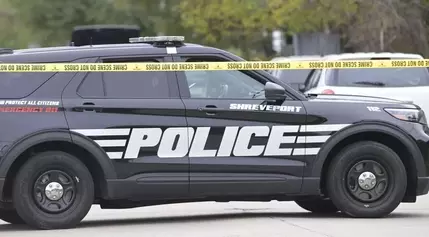
Currently, 123 marked Shreveport Police vehicles are take-home cars, and an equal number of unmarked cars go home with officers between shifts. These unmarked cars are typically driven by detectives, administrators, or others with a valid reason. This system ensures that officers have a means of transportation to and from work and can respond quickly to calls when needed.The balance between marked and unmarked cars helps maintain a visible police presence while also allowing for discreet operations when necessary.
Cost and Equipment
The expense for a completely-outfitted patrol car is approximately ,000. This includes all the necessary equipment and features to ensure the safety and effectiveness of the officer. Council chair Dr. Alan Jackson Jr. emphasized the purpose of the take-home car, which is to deter crime. He suggested that Smith determine how many of the unmarked cars could be given some kind of markings to increase the police presence in more neighborhoods.Smith agreed to investigate this idea, recognizing the potential impact it could have on public safety.
Vehicle Turnover and Maintenance
In terms of vehicle turnover, patrol cars used by different officers from shift to shift typically last about three years. However, when a car is maintained by a single officer who takes pride in it, it can last up to eight years. This shows the importance of officer ownership and care in extending the lifespan of the vehicles.Smith also mentioned a previous study that compared the cost of leasing versus buying patrol cars. It was determined that leasing would cost approximately more per month. Additionally, the cost of replacing totaled lease cars is higher than making an insurance claim for owned cars.
Practicality of Pool Cars
Councilman Grayson Boucher encouraged Smith to consider the practicality of leasing a small number of pool cars for multiple officers. This could provide additional flexibility and ensure that there are always available vehicles for different operations.It would allow for better resource allocation and ensure that officers have access to the necessary transportation when needed.
In conclusion, the take-home police car program in Shreveport presents both benefits and considerations. By understanding the experiences of officers like Smith and exploring different aspects such as cost, vehicle turnover, and practicality, the city can make informed decisions to enhance public safety.