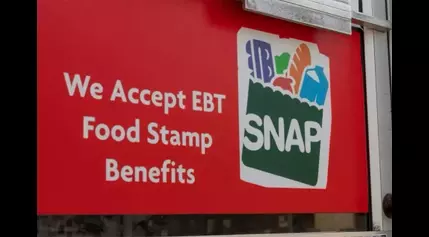
Preserving Food Choice: The Battle Against SNAP Restrictions
In a letter to the US Department of Agriculture, the Independent Bakers Association (IBA) has reaffirmed its opposition to food choice restrictions in the Supplemental Nutrition Assistance Program (SNAP). The letter, addressed to USDA Secretary Thomas Vilsack, calls on the Department to avoid advancing policies that would limit the food choices available to SNAP recipients.Empowering SNAP Participants, Preserving Dignity
Upholding the Right to Choose
The IBA's letter emphasizes the importance of preserving the current level of choice that SNAP participants have, rejecting any restrictions or pilots that would impact not just retailers, their employees, and food manufacturers, but most importantly, the SNAP participants themselves. The association argues that SNAP recipients deserve the same dignity as all consumers, with the freedom to choose the foods that best suit their needs and cultural preferences.Addressing Obesity and Chronic Health Conditions
The letter addresses the provision in the Farm, Food and National Security Act of 2024 (farm bill) that would have enabled states to pilot programs prohibiting SNAP recipients from using their benefits to buy foods considered unhealthy. The provision, led by Representative Andy Harris of Maryland, aimed to address obesity and related chronic health conditions by limiting SNAP purchases to "nutrient-dense" food and beverages based on the Dietary Guidelines for Americans.Rejecting Restrictive Measures
However, the IBA strongly opposes these restrictive measures, arguing that they would reduce individual dignity, fail to improve health outcomes, and increase administrative burden for both state agencies and retailers. The association emphasizes that such restrictions would cause unnecessary disruption for participants, retailers, their employees, and food manufacturers, who are constantly innovating to address the challenges identified in the National Strategy on Hunger, Nutrition and Health.Promoting Proven Strategies
Instead of imposing restrictions, the IBA encourages the USDA to focus on proven policy strategies that enhance nutrition and food security, such as the incentives provided through the Gus Schumacher Nutrition Incentive Program, Healthy Fluid Milk Incentives, SNAP-Ed, and improving food access and affordability.Addressing Stigma and Disparities
The letter also highlights the USDA's efforts to reduce the stigma associated with receiving SNAP benefits, and warns that outright restrictions or pilots for restrictions will serve to increase this stigma, disproportionately impacting communities of color with higher SNAP participation rates.Aligning with the National Strategy
The IBA's letter commends the National Strategy on Hunger, Nutrition and Health for its focus on empowering all consumers, not just those with low incomes, to make and have access to healthy choices, leveraging information and incentives rather than punitive restrictions. The association argues that this approach is more aligned with the goals of ending hunger and reducing diet-related disease by 2030, while eliminating disparities among the most-impacted communities.Reflecting the Voices of SNAP Participants
The letter cites research showing that Americans facing food insecurity overwhelmingly oppose measures that may curtail their access to food or ability to make their own food purchasing decisions. The IBA emphasizes that the opinion of SNAP participants was echoed in a recent poll of likely voters, where 73% agreed that the government should not take away the autonomy of people using SNAP by putting even more limitations on their food choices.In conclusion, the Independent Bakers Association's letter to the USDA underscores the importance of preserving food choice and dignity for SNAP participants, while promoting proven strategies to enhance nutrition and food security. The association's stance reflects the voices of SNAP recipients and the broader public, who overwhelmingly reject restrictive measures that could undermine the program's effectiveness and impact the most vulnerable communities.New




7.6K
533
175
News



20.7K
207
76
News




14.5K
1.3K
522
News

43.9K
3.9K
1.5K
Lifestyle

16.5K
825
140
Lifestyle

26.6K
531
196
Lifestyle

3.6K
327
153
Lifestyle



23.7K
949
151
Lifestyle

2.1K
82
13
Lifestyle