
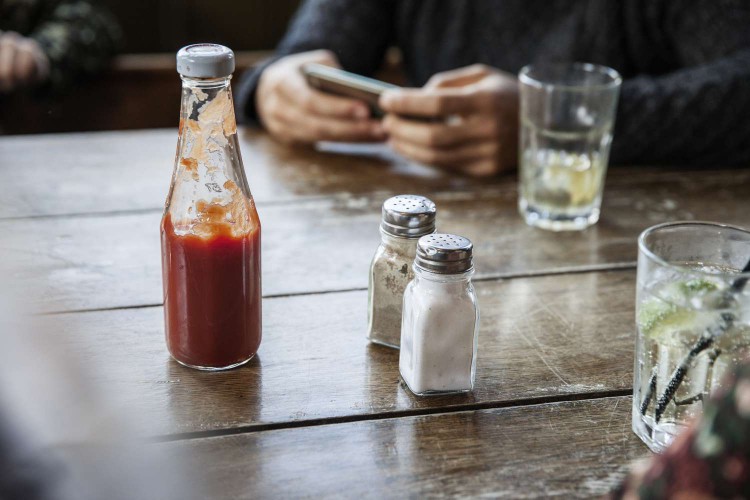
- New research found that frequently adding additional salt to foods could increase type 2 diabetes risk.
- The study did not prove causation but linked higher sodium intake with a greater likelihood of developing type 2 diabetes over 12 years.
- Experts recommend monitoring sodium intake and cutting excess sodium out of your diet when necessary.
Frequently adding salt to your meals could increase your risk of developing type 2 diabetes, a new study reveals.
It’s common knowledge that there’s a connection between nutrition and type 2 diabetes. However, new research shows that it’s not just carbs and sugars that could affect the development of this condition.
A new study, published earlier this month in Mayo Clinic Proceedings, found that the more people add salt to their foods, the more likely they are to develop type 2 diabetes.
Researchers from Tulane University, who conducted the study, explained that their curiosity on the topic was aroused by a study they had published last year.
“We recently found that adding salt to foods is a potential indicator for long-term salt intakes, which are related to higher risk of cardiovascular disease and mortality,” study author Lu Qi, MD, PhD, FAHA, director of the Tulane University Obesity Research Center and the Tulane Personalized Health Institute, told Health.
Here’s how sodium intake is connected to the development of type 2 diabetes, as well as simple ways to reduce sodium intake.
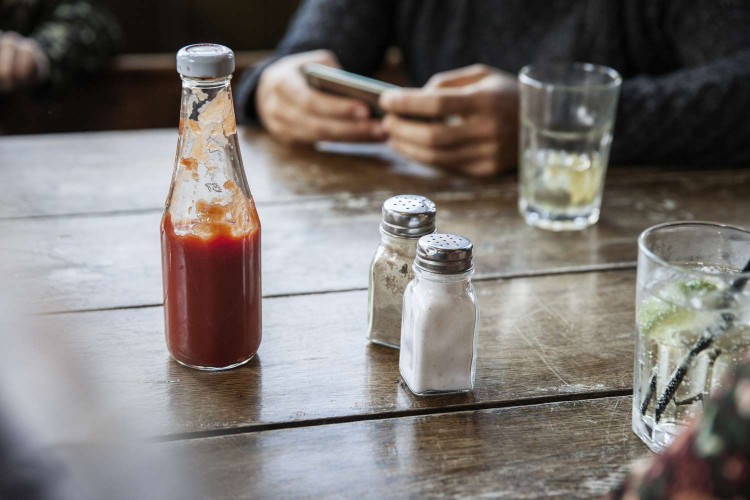
Getty Images / Henrik Sorensen
An Unexpected Connection Between Sodium and Type 2 Diabetes
The research team collected data on over 400,000 adults in the UK Biobank, a long-term cohort of people whose health information has been used from 2006 to the present.
At the outset of this timeline, selected participants were free of diabetes, chronic kidney disease, cancer, and cardiovascular disease.
The study’s authors divided participants into four groups: those who “never/rarely” added salt to foods, “sometimes,” “usually,” or “always” did so. They then tracked subjects’ health outcomes for a median of 11.9 years.
Compared to people who reported never or rarely adding salt to their foods, the risk of developing type 2 diabetes was greater by 13%, 20%, and 39%, respectively, for people who answered “sometimes,” “usually,” or “never.”
The research focused on salt broadly, without delving into which type (such as sea salt, kosher salt, or Himalayan salt) yielded these results.
“The key consideration is the sodium content in salt, which is relatively consistent across these types,” Sheth, a registered dietitian nutritionist, certified diabetes educator, and author of My Indian Table: Quick & Tasty Vegetarian Recipes, told Health.
She explained that excessive sodium intake is what’s associated with health concerns, and that can apply to any type of salt with a significant amount of sodium.
In addition to the amount of salt you add to a dish, it’s important to be aware of how much sodium you consume from processed foods.
According to the American Heart Association, Americans get up to 75% of their daily sodium from processed foods like soups, tomato sauces, condiments, and canned goods.
Qi said that these additional sodium sources may also increase type 2 diabetes risk.
“[This] could be, because the detrimental factor is high salt intakes, regardless [of] where they are from,” he said.
All this to say, Qi clarified that the study was observational, and does not prove causation.
How Much Sodium Should You Eat in a Day?
Connecting Sodium and Type 2 Diabetes Risk
Since blood sugar levels are the primary concern with diabetes, the diet-diabetes connection has historically focused on carbohydrates, which break down into sugars in the blood.
The role of sodium in this mix is a relatively new concept. So what might be the connection between added salt and elevated blood sugar?
Qi said there are a few possibilities.
People who add salt to their foods may be consuming more high-calorie meals, resulting in weight gain that could increase their risk of diabetes.
“Our study suggests that high adiposity related to adding salt to foods may partly account for the observed associations,” he said.
According to Sheth, sodium may even trigger increased appetite.
“There is a theory that salt may encourage larger food intake, potentially leading to conditions such as obesity and inflammation, which, in turn, elevate the risk of developing diabetes,” she said.
Lastly, Qi touched on this possibility of inflammation as another explanation, but, more research is needed on that connection.
Simple Ways to Reduce Sodium Intake
Cutting back on the sodium in your diet doesn’t have to be a joyless affair. Plenty of creative tactics can allow you to reduce your sodium intake without sacrificing your food’s flavor.
Considering the study’s findings, leaving the salt shaker off the table during mealtimes can be a helpful way to reduce how much sodium you eat. This way, it’s out of sight, out of mind.
Having to get up from the table to locate the salt creates a barrier that could be enough to reduce the frequency of use.
Sheth recommends reducing your sodium gradually, rather than all at once, since dramatic dietary measures often don’t stick.
Some small strategies that help keep sodium low are rinsing canned foods like beans and vegetables before use, or opting for fresh foods when possible. Choices like fresh fruits and vegetables, whole grains, and lean proteins generally contain very little sodium.
And don’t forget to read food labels to know how much sodium you’re getting. Products with 5% or less of the Daily Value (DV) are considered low-sodium, while foods that provide 20% or more of the DV are considered high.
Lastly, make your meals a fun and interesting experiment by testing other spices and seasonings. Often, they can combine to create delicious, flavors that don’t need much salt.
“Use herbs, spices, and flavorings such as citrus, vinegars, and salt-free seasoning blends to amp flavors while cutting back on salt,” Sheth said.
FDA Considers Allowing Salt Substitutes in More Foods—But What Are They?